
Frame and unibody straightening on our alignment rig, so your vehicle measures and drives true after a collision.
Frame damage is one of the more serious outcomes of a collision, and it's not always visible from the outside. A bent frame or unibody structure can throw off wheel alignment, tire wear and how the vehicle handles, even after cosmetic repairs are finished — which is why we check structural alignment as part of any moderate-to-severe collision repair.
Most modern vehicles use a unibody structure rather than a separate frame, which means damage can transfer through the body in ways that aren't obvious at a glance. We measure against factory specifications to confirm exactly where and how much correction is needed.
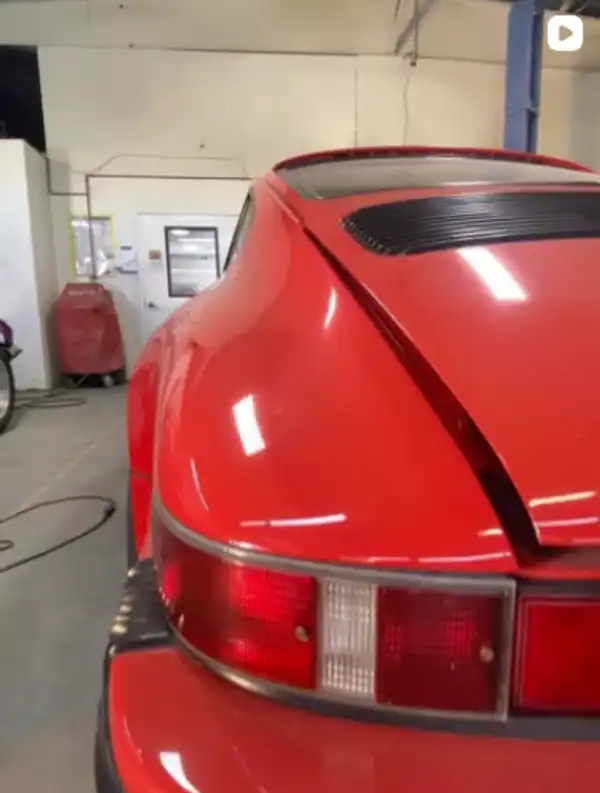
Structural correction for body-on-frame vehicles using precision pulling equipment.
Correction of unibody structural damage to restore factory measurements.
Frame and unibody measurement against factory specifications before and after repair.
Repair of suspension mounting points affected by structural damage.
Verification that the vehicle meets factory alignment specs after structural repair.
Detailed documentation for insurance claims involving structural repair.
We start with computerized measuring to compare your vehicle's current structure against factory specifications, which tells us exactly where damage exists and how significant it is. From there, we use precision pulling equipment to correct the structure, checking measurements throughout the process rather than relying on a single before-and-after comparison.
Once the frame or unibody is within factory tolerance, we move on to the cosmetic repair and paint work, and finish with an alignment check to confirm the vehicle drives the way it should.
Frame damage refers to structural damage to a vehicle's frame or unibody, typically from a moderate-to-severe collision. It can affect handling, alignment and safety even when it isn't visible from the outside.
We use computerized measuring to identify the extent of structural damage, then correct it using precision pulling equipment, checking measurements against factory specifications throughout the process.
Yes. Most modern vehicles use unibody construction, and structural correction is a standard part of collision repair for these vehicles when they've sustained frame-level damage.